
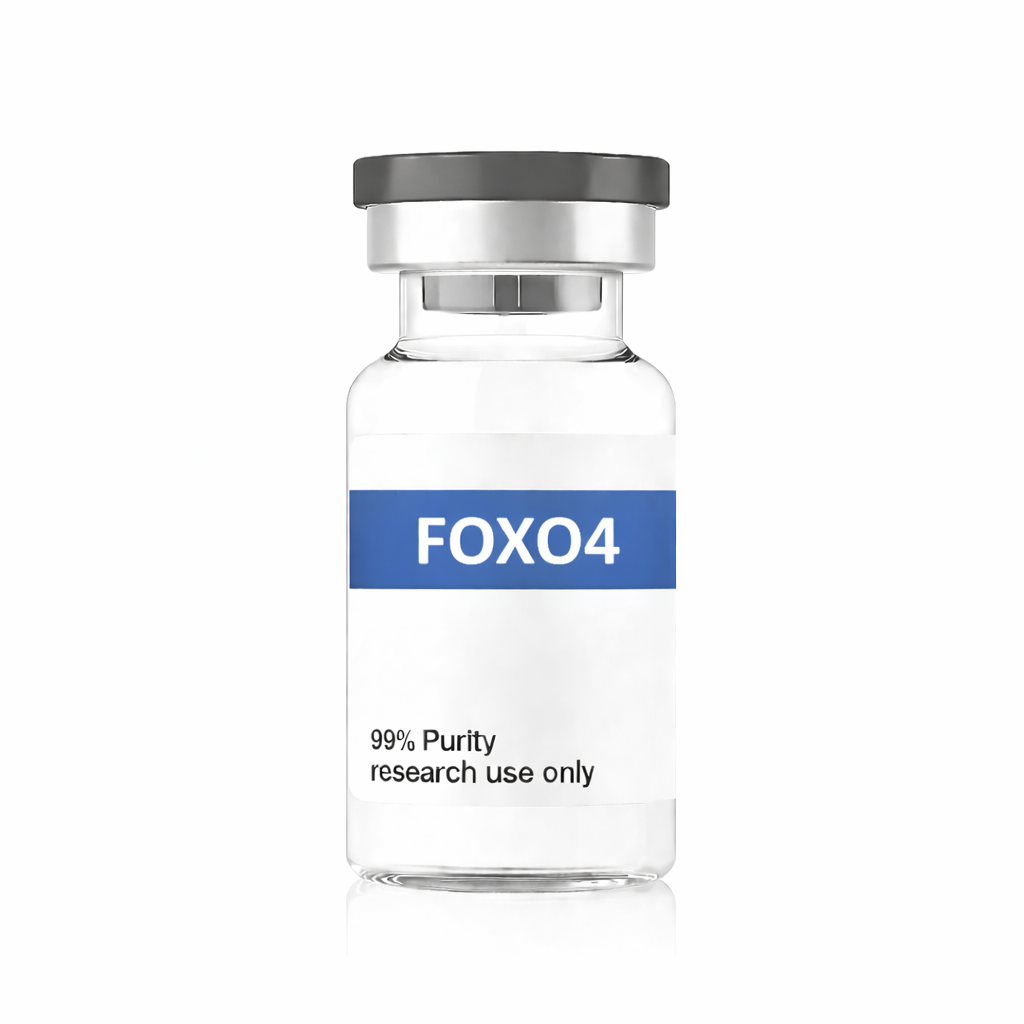

Description
Article: FOXO4 – Functions, Benefits, and Role in Aging & Health
Introduction
FOXO4 is a transcription factor belonging to the FOXO (Forkhead box O) family, which plays a crucial role in regulating genes involved in cell cycle control, apoptosis, and oxidative stress resistance. It has gained attention in recent years for its connection to cellular senescence and potential anti-aging therapies.
Whether you are a researcher, health enthusiast, or student, understanding FOXO4 can shed light on the molecular mechanisms behind aging and longevity.
What is FOXO4?
FOXO4 is a protein that acts as a transcription factor, meaning it helps turn specific genes on or off. It is part of the larger FOXO family, including FOXO1, FOXO3, and FOXO6, all of which contribute to cellular homeostasis and longevity.
Key features of FOXO4:
-
Regulates apoptosis (programmed cell death)
-
Maintains cellular resistance to oxidative stress
-
Controls cell cycle arrest
-
Plays a role in senescent cell accumulation
Role of FOXO4 in Aging and Cellular Health
FOXO4 has been extensively studied for its influence on aging-related processes. Senescent cells, which stop dividing but don’t die, accumulate as we age and can cause tissue dysfunction. FOXO4 interacts with p53, a protein that triggers cell death, helping senescent cells survive longer.
Recent studies suggest that targeting FOXO4 interactions could help remove these senescent cells, potentially delaying age-related diseases and improving tissue function.
Benefits of FOXO4 Research
Research around FOXO4 is promising, especially for anti-aging therapies and longevity studies. Some benefits include:
-
Anti-aging potential – Clearing senescent cells may rejuvenate tissues.
-
Cancer research implications – FOXO4 regulates cell survival pathways in tumors.
-
Neuroprotection – May protect neurons from oxidative stress, reducing neurodegeneration risk.
-
Metabolic health – Influences insulin sensitivity and stress resistance.
FOXO4 and Anti-Aging Therapies
One of the most exciting applications is the development of FOXO4-DRI peptides, which can selectively induce apoptosis in senescent cells. Animal studies show these peptides can improve healthspan, reduce age-related tissue damage, and support longevity research.
FOXO4 vs Other FOXO Proteins
While all FOXO proteins regulate similar pathways, FOXO4 is unique in:
-
Its interaction with p53 in senescent cells
-
Its role in tissue regeneration and anti-aging research
Other FOXO proteins like FOXO3 are more linked to stress resistance and lifespan regulation, showing that the FOXO family has diverse, complementary roles.
FAQs About FOXO4
Q1: What does FOXO4 do in the body?.
A: FOXO4 regulates gene expression for cell survival, apoptosis, and stress resistance. It helps control the accumulation of senescent cells and impacts aging.
Q2: Can FOXO4 be targeted for anti-aging therapies?
A: Yes, FOXO4-DRI peptides are being studied to selectively eliminate senescent cells, potentially improving healthspan and tissue function.
Q3: Is FOXO4 related to cancer?
A: FOXO4 regulates cell survival pathways, which can influence cancer progression. Its exact role depends on the tissue type and cellular context.
Q4: How does FOXO4 affect longevity?
A: By controlling senescent cell survival and oxidative stress response, FOXO4 may influence aging processes and lifespan indirectly.
Q5: What is the difference between FOXO4 and FOXO3?
A: FOXO3 mainly regulates stress resistance and general lifespan, while FOXO4 is more focused on senescent cell survival and tissue regeneration.








Reviews
There are no reviews yet.